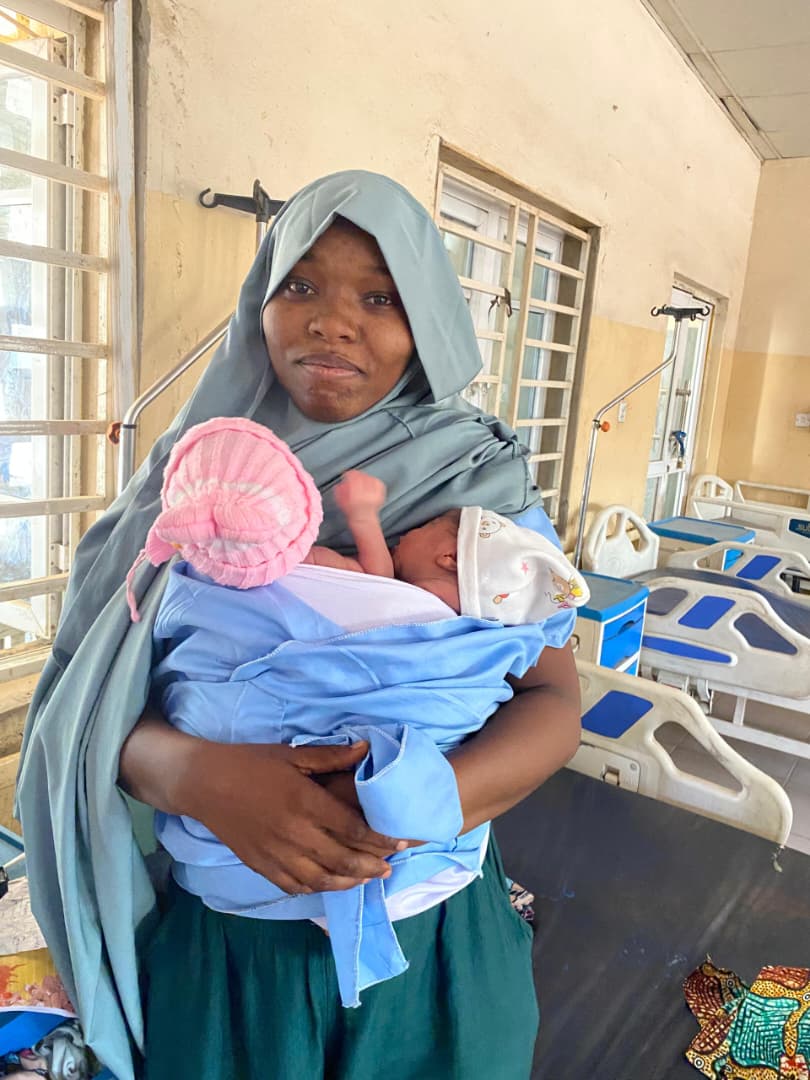
Making lifesaving newborn care universal in Nigeria.
Around
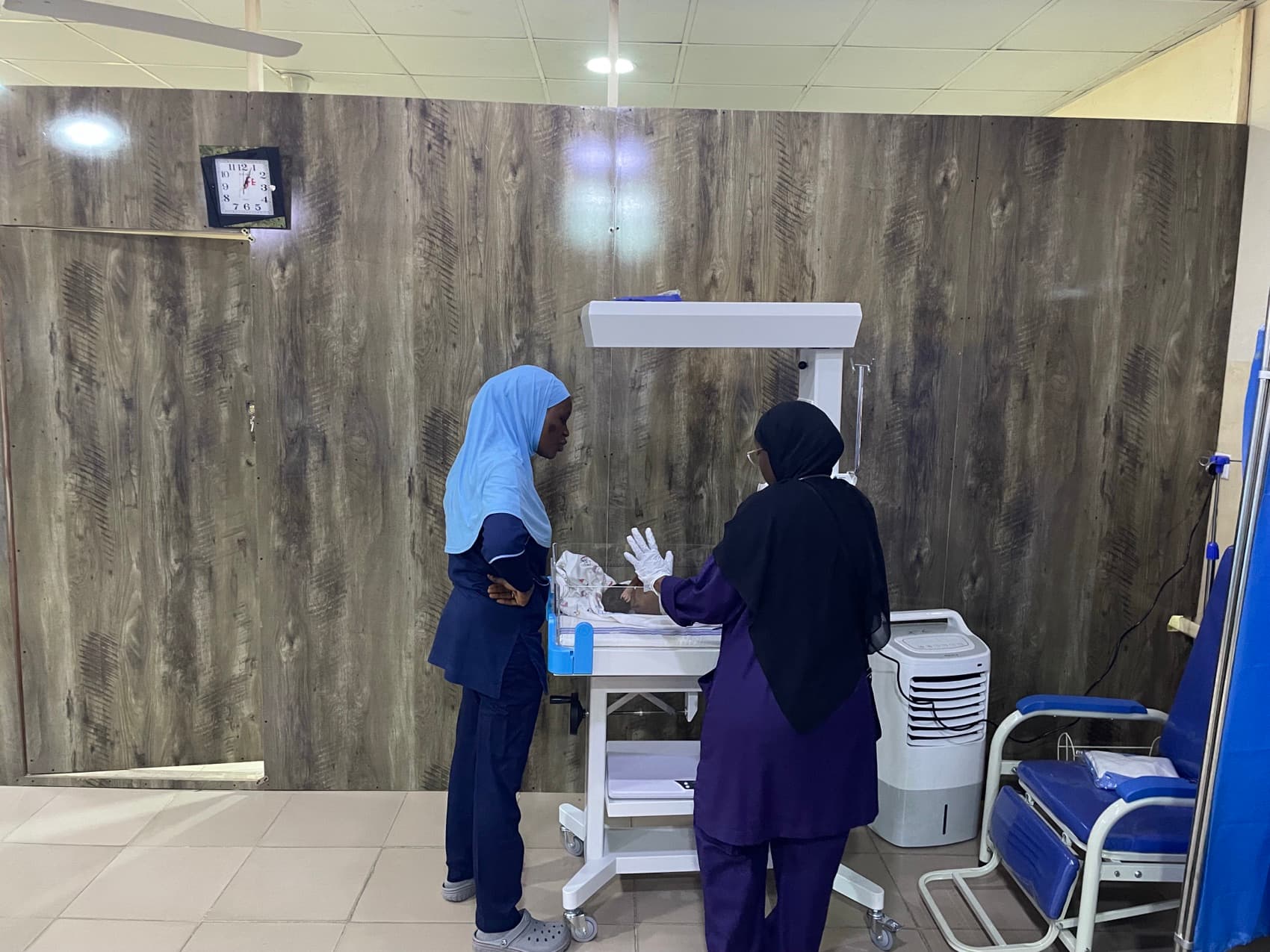
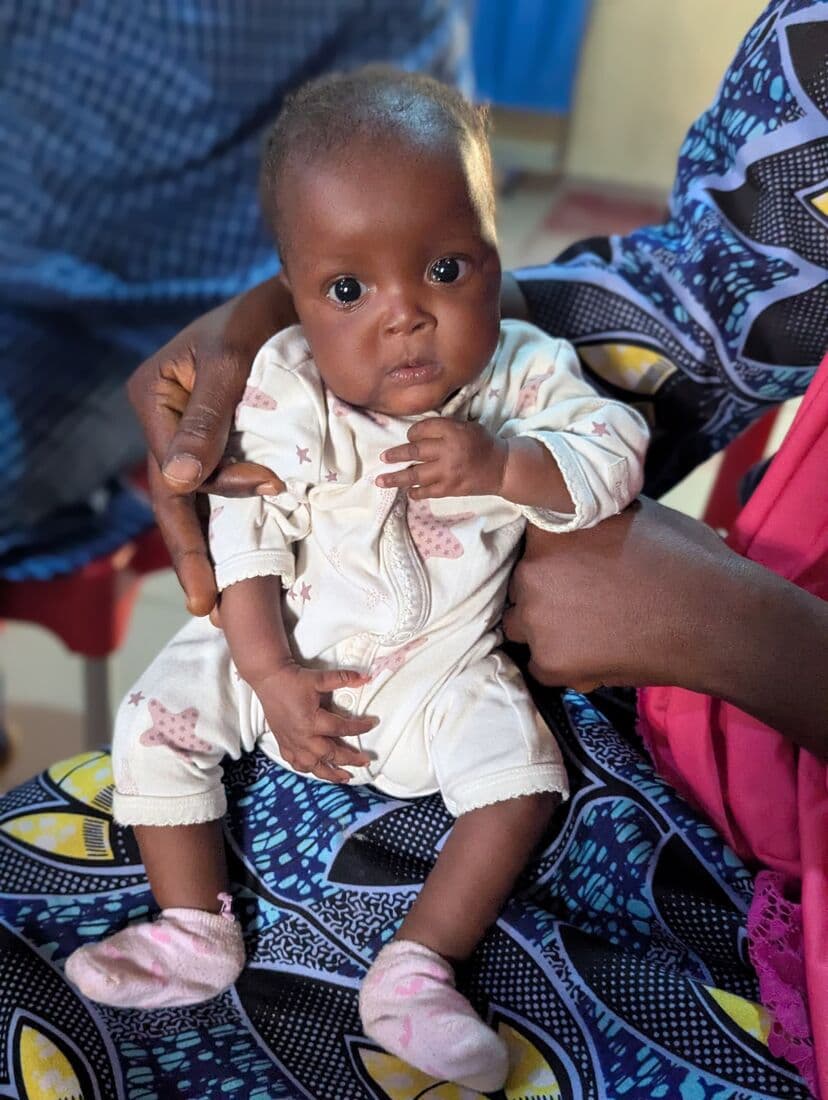
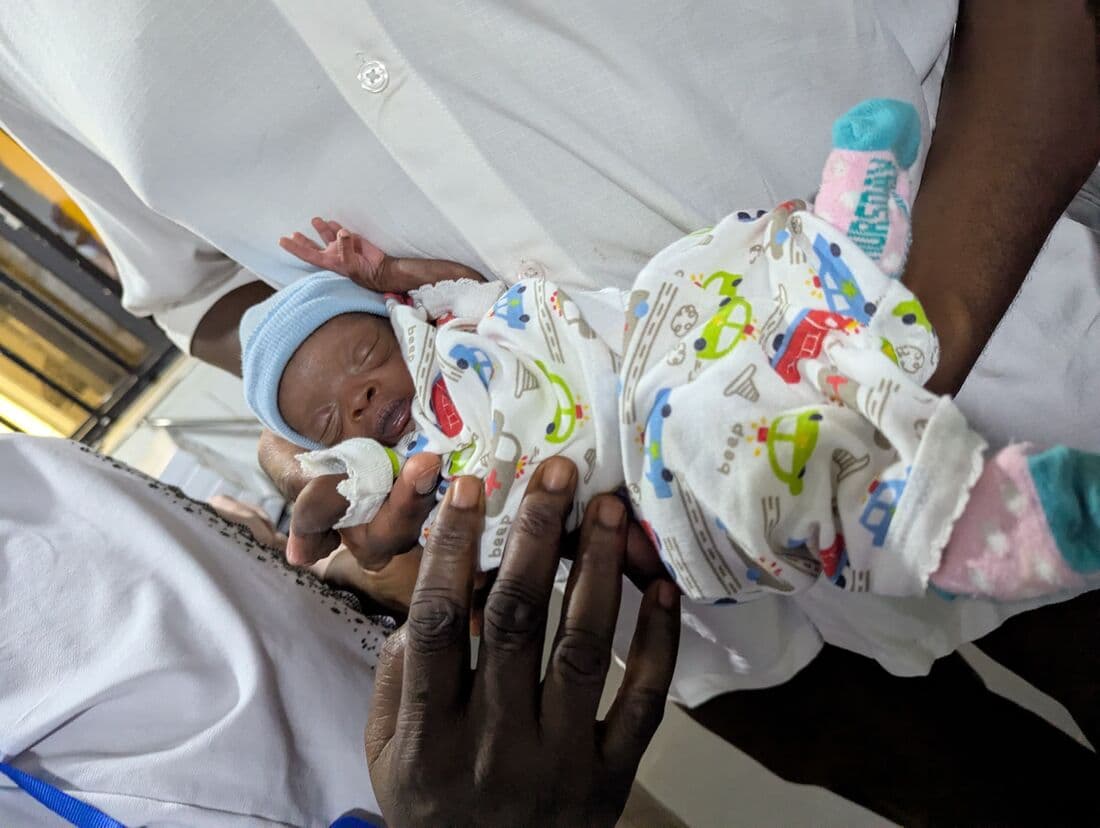
170,000vulnerable newborns die in Nigeria every year.
The Global Burden of Disease estimates that prematurity and low birth weight (vulnerability) causes 70% of newborn deaths.
UNICEF’s figures show this has not improved at all over the last decade.
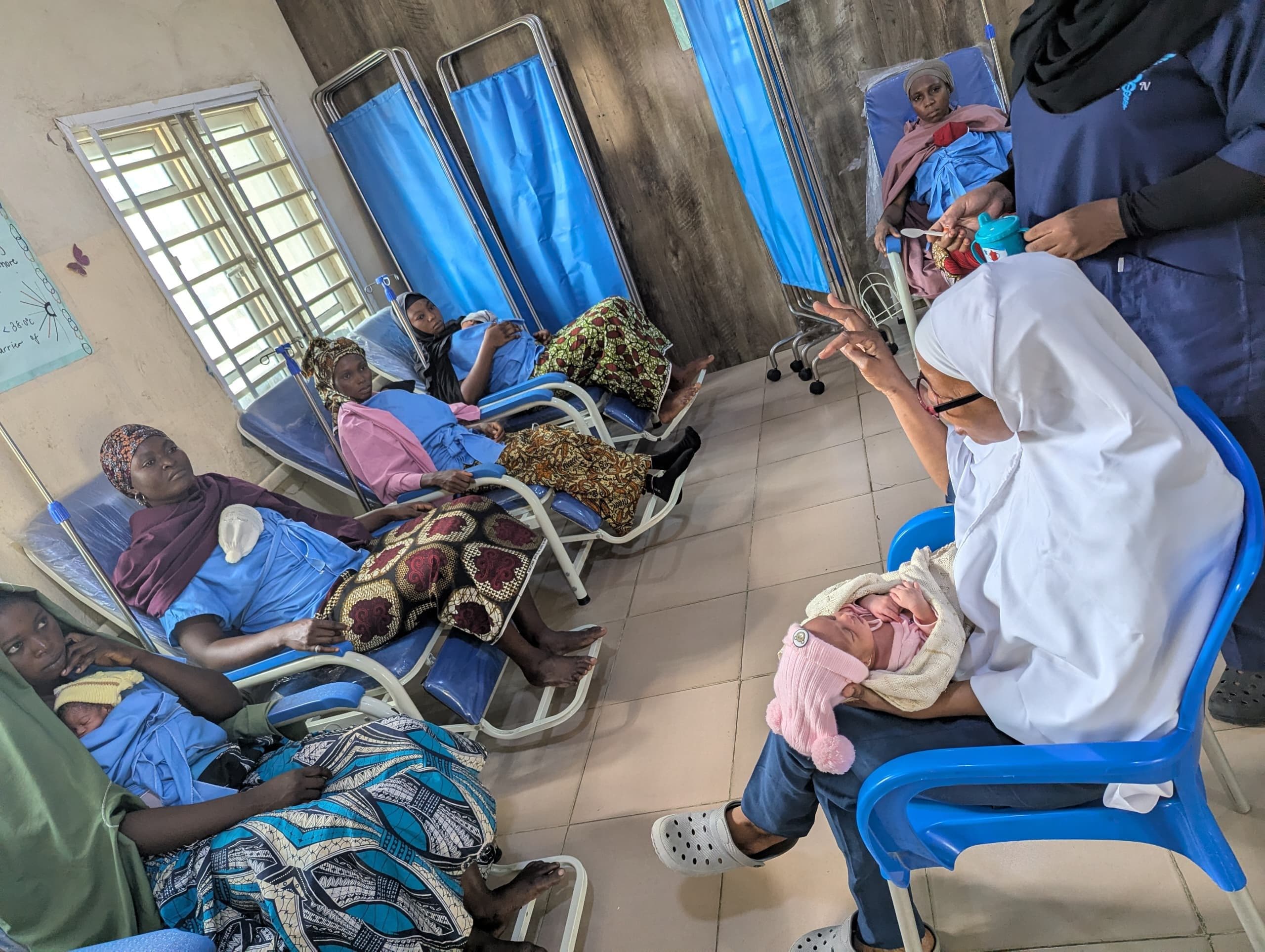
Kangaroo Care reduces vulnerable newborn deaths by
33%compared to existing care.
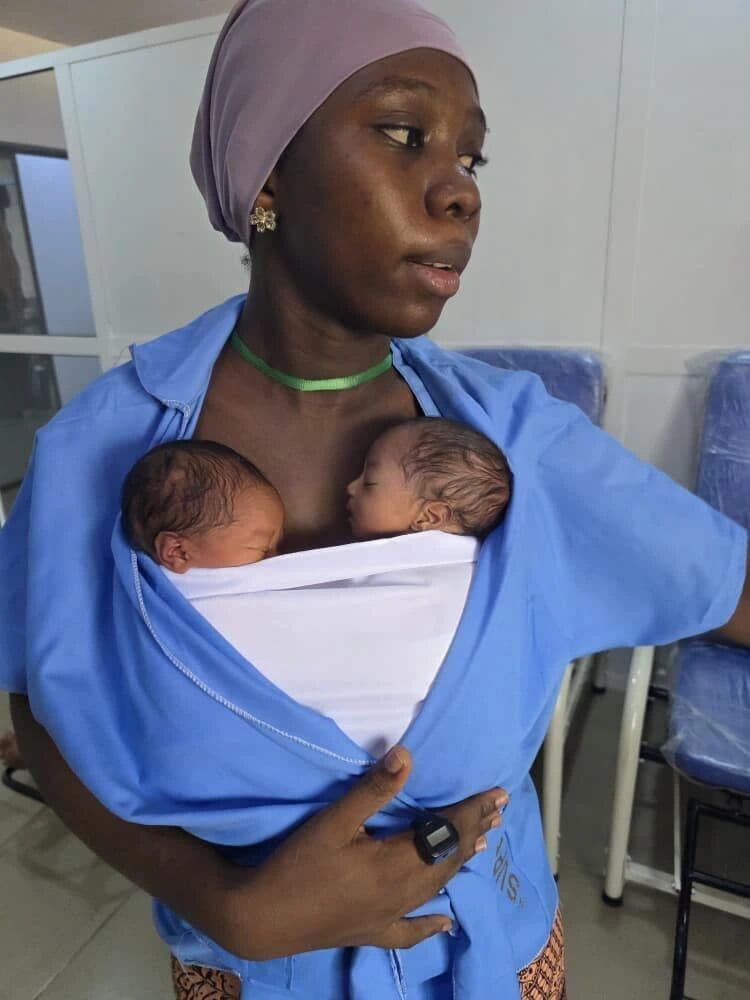
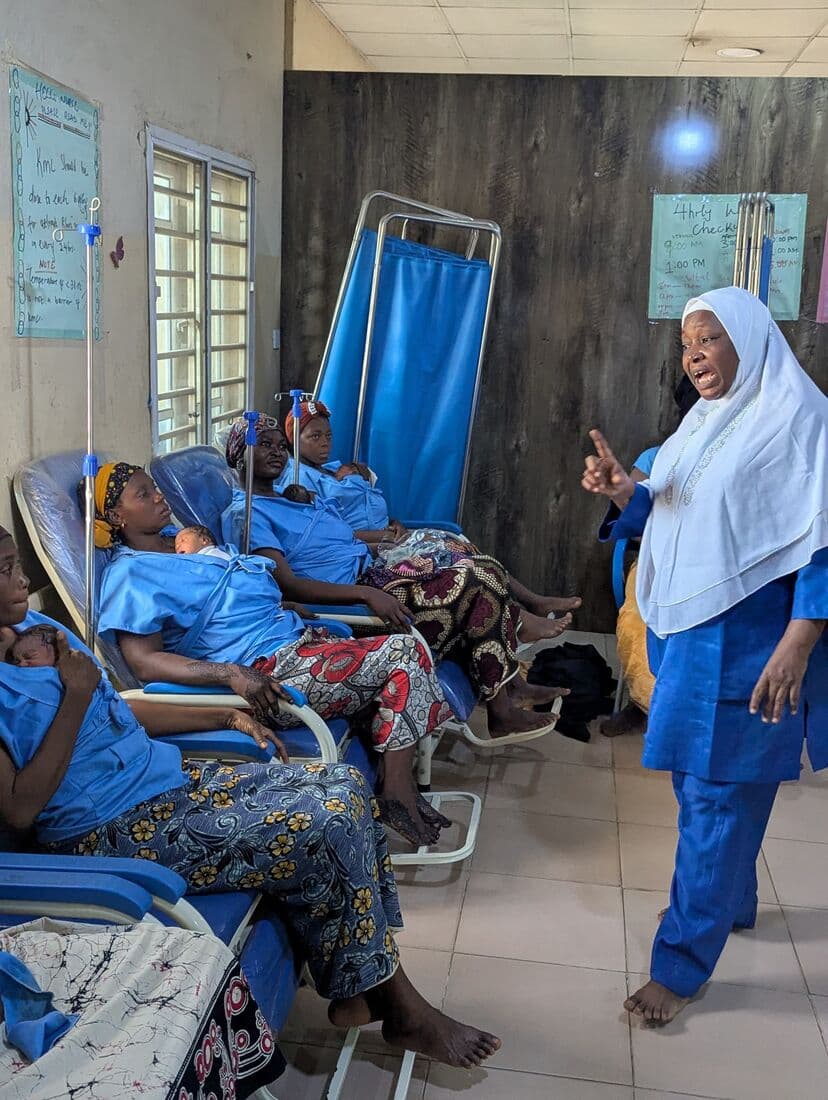
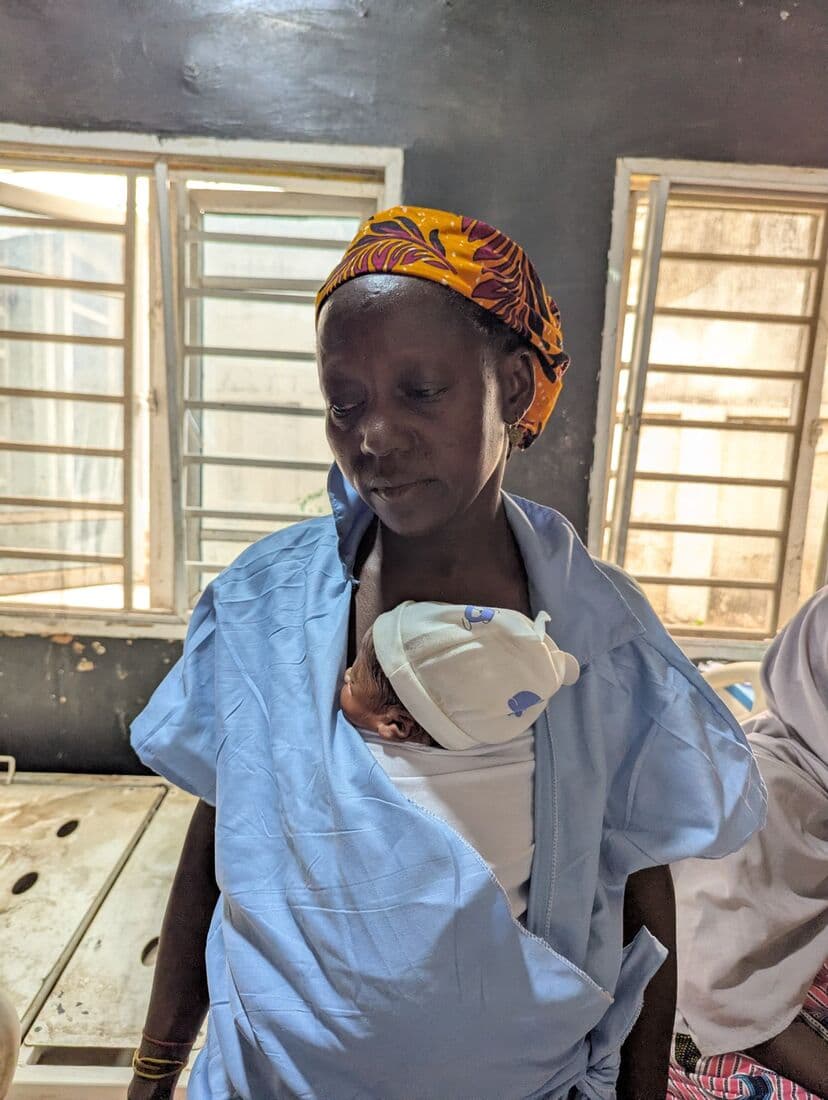
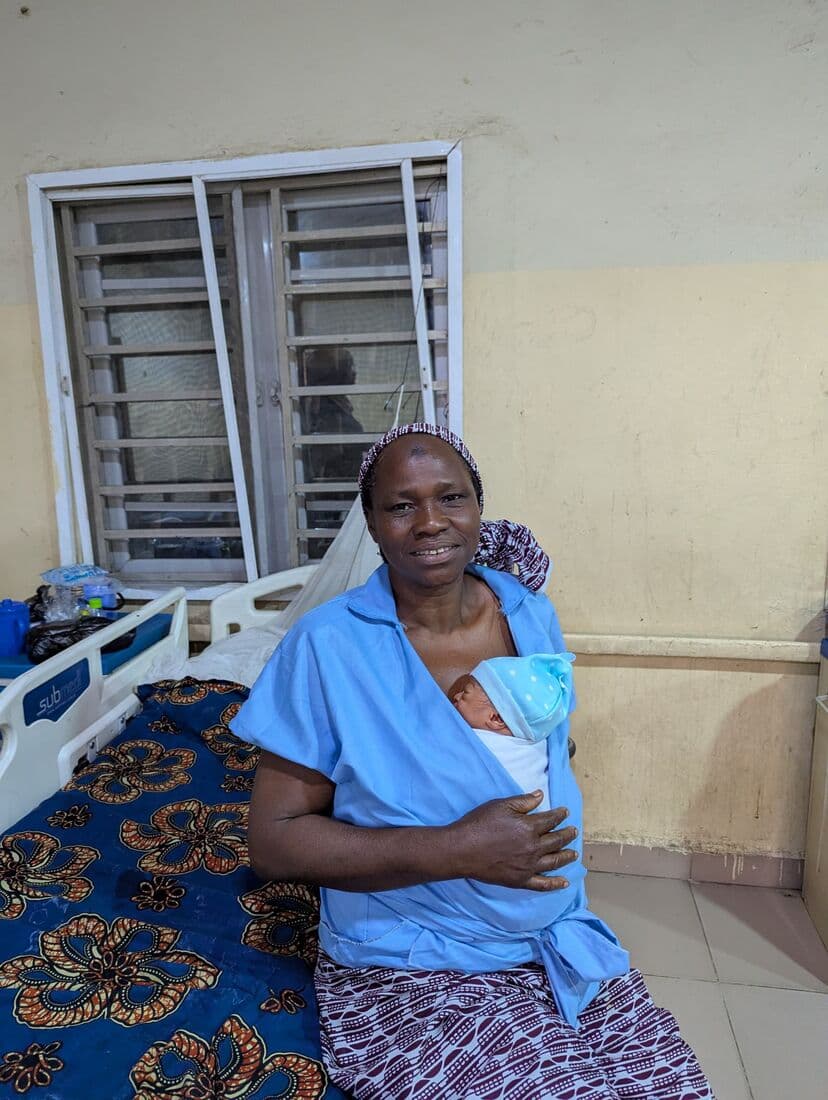
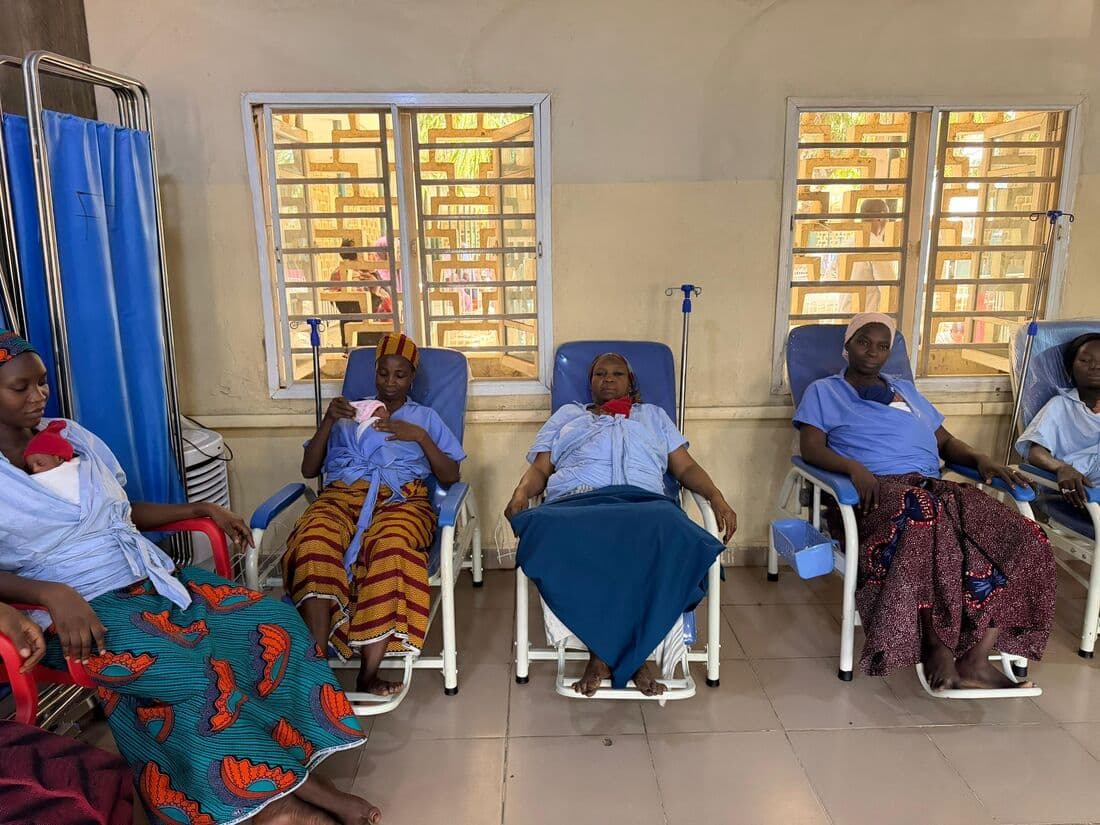
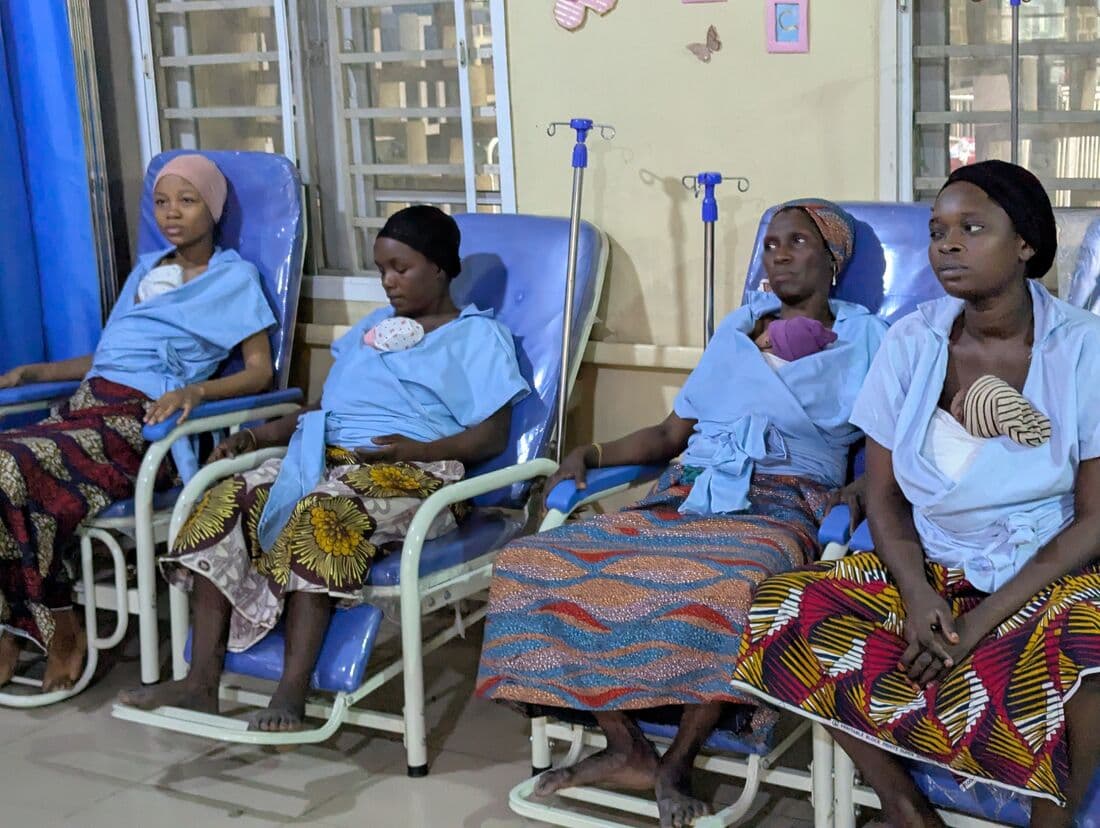
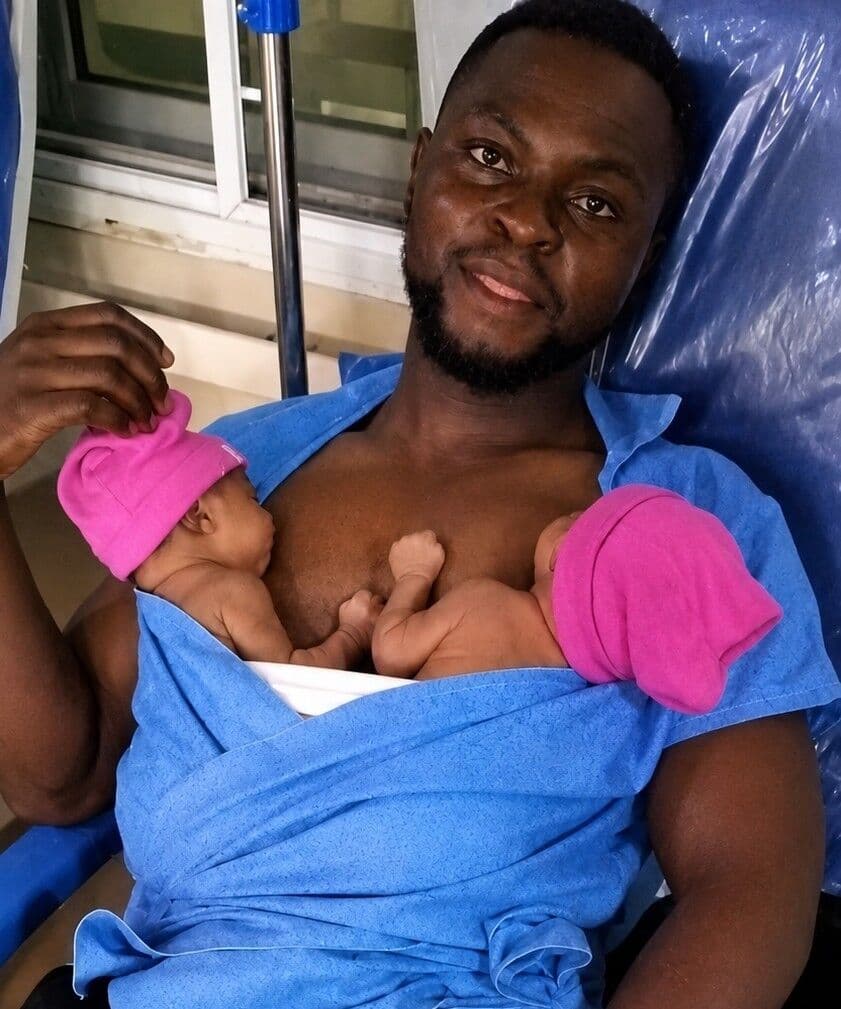
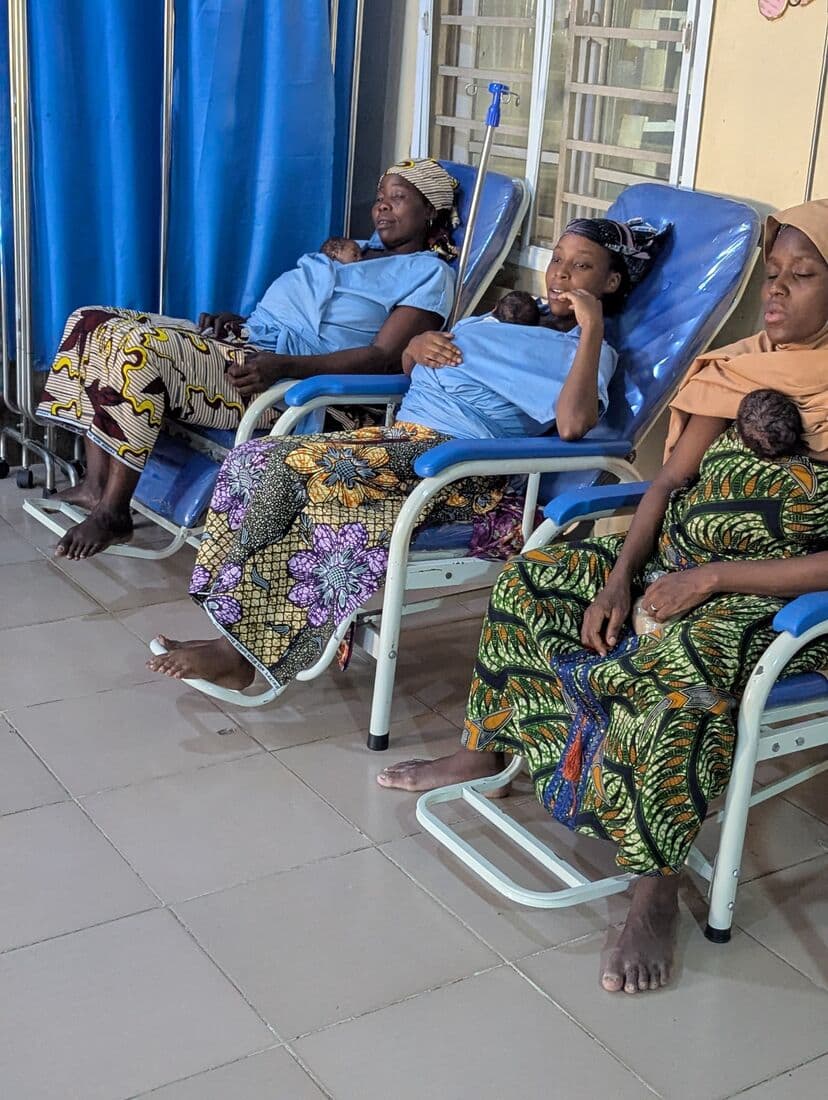
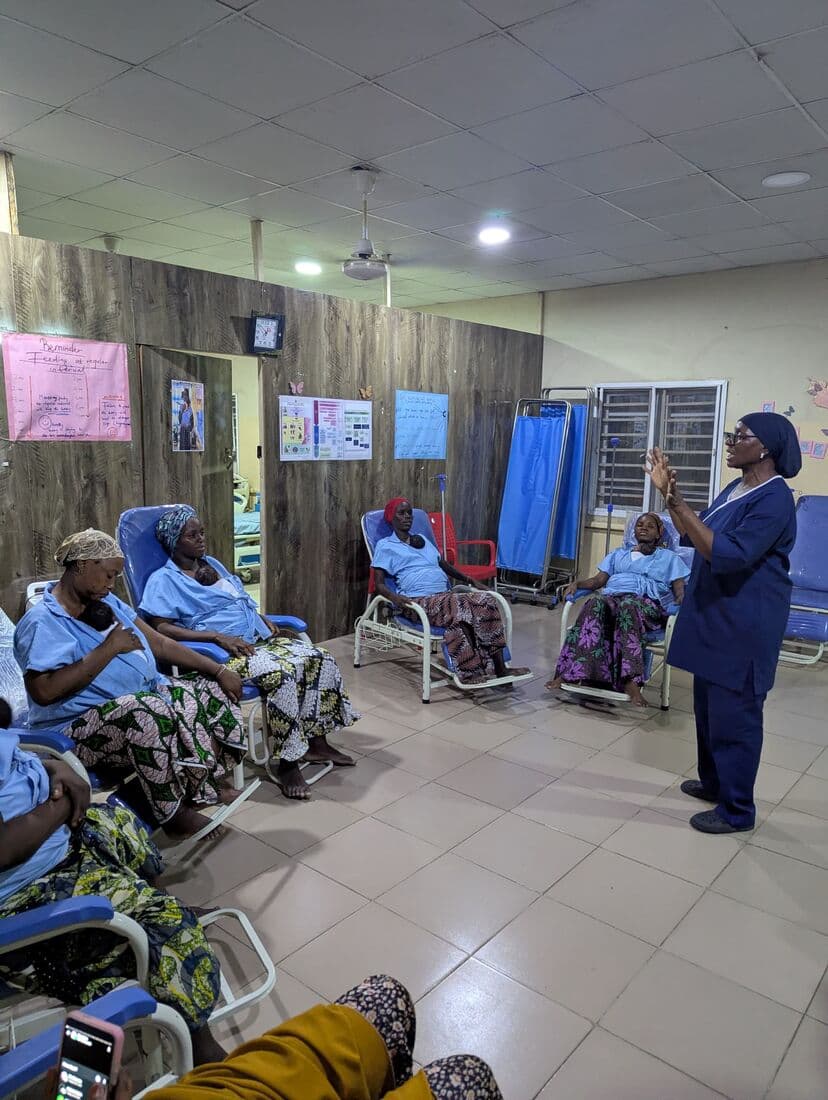
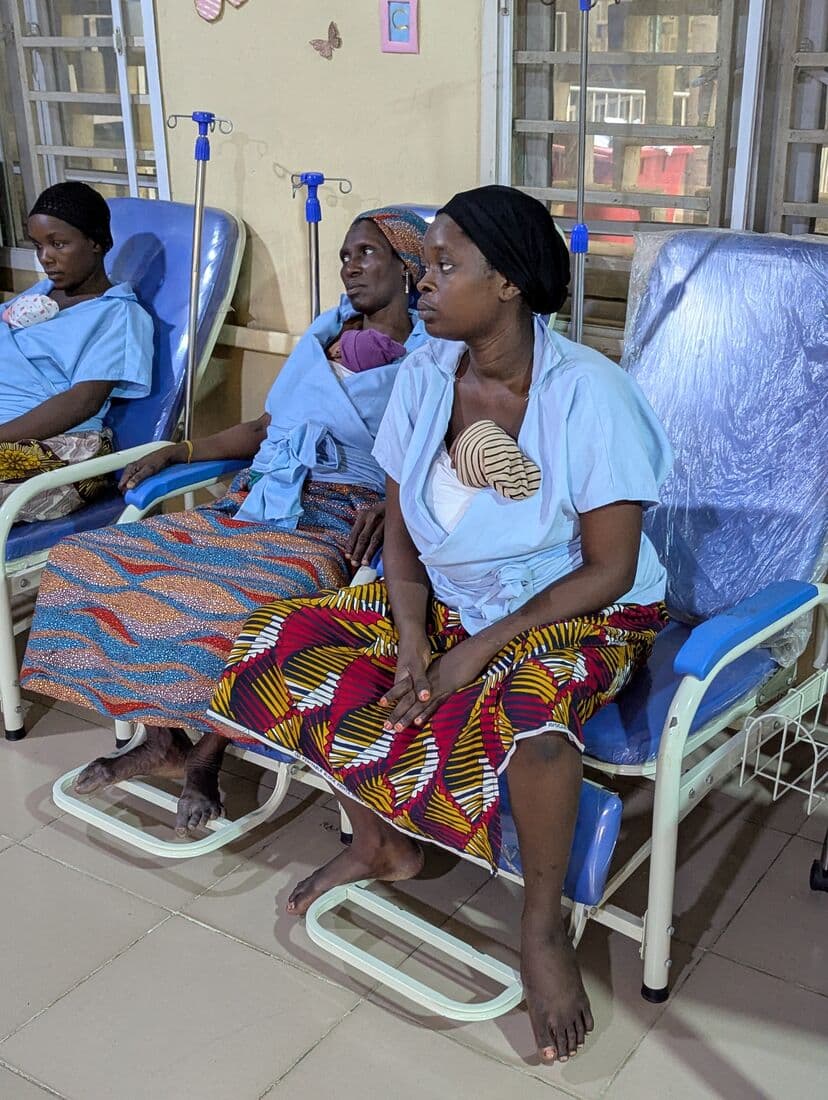
Skin to skin care · Exclusive breastfeeding · Danger‑sign education
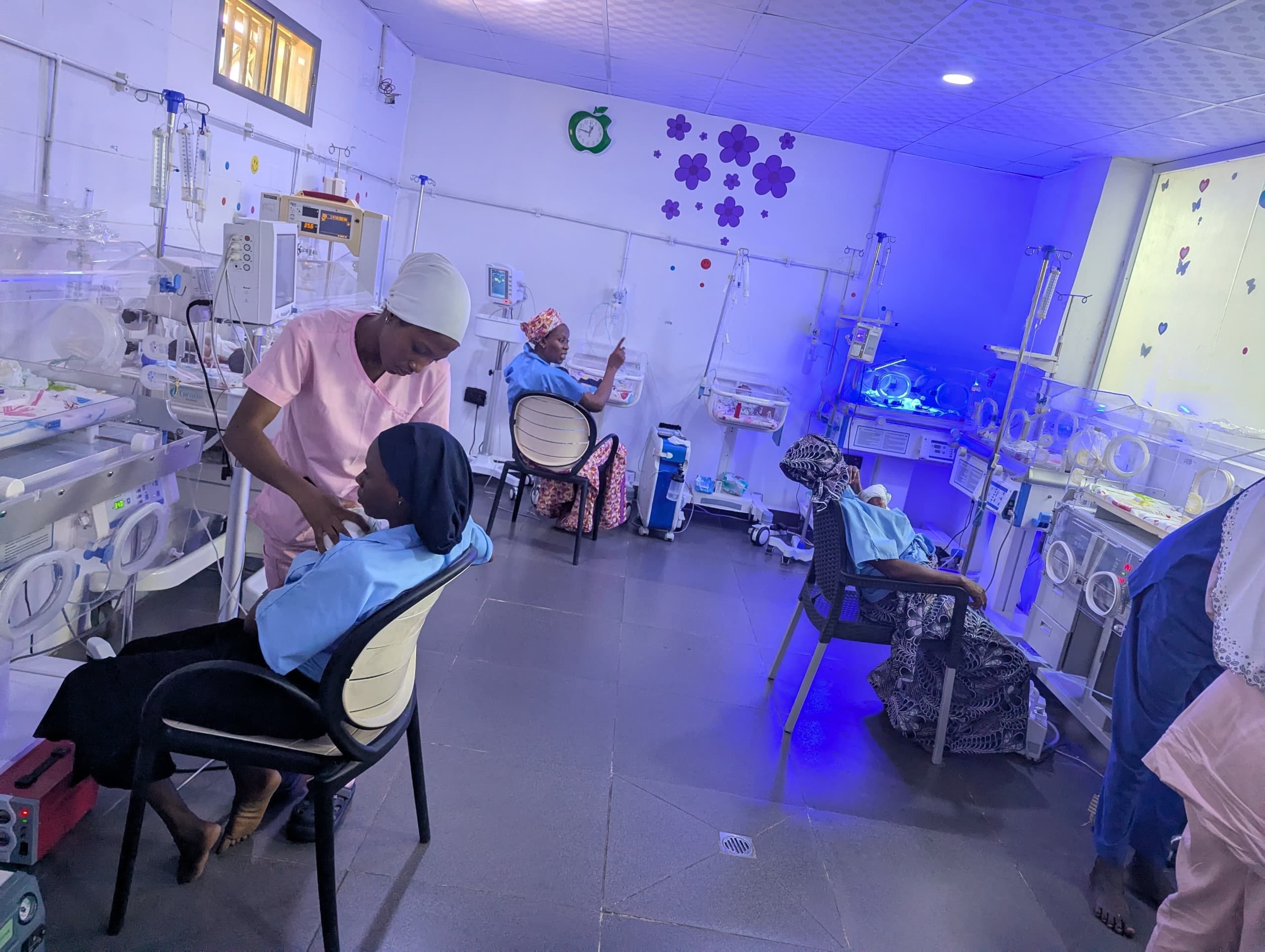
The WHO recommends Kangaroo Care for every vulnerable newborn and the Nigerian government targets 95% coverage by 2030.
Today, only
5%receive it.
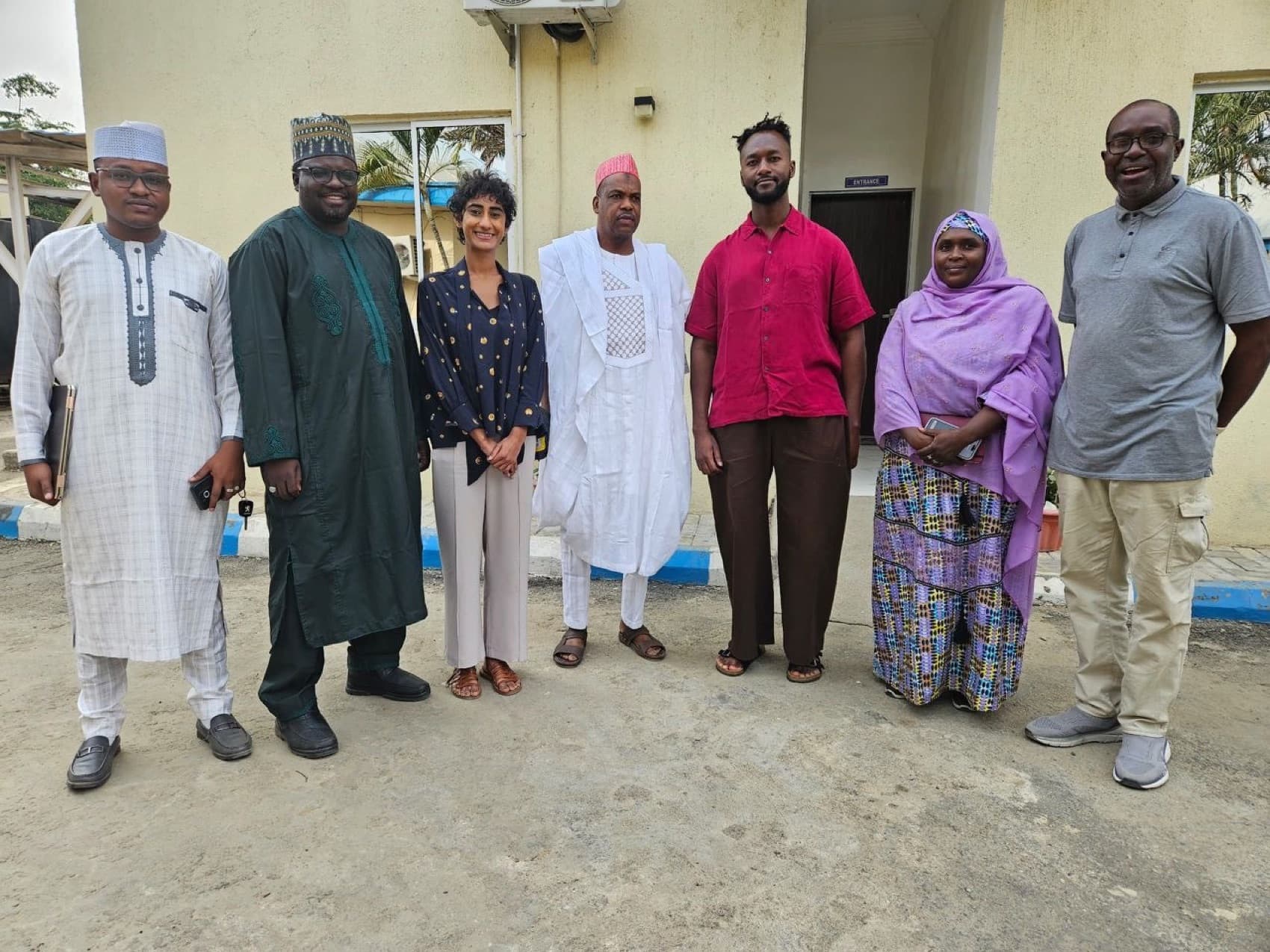
First Embrace works to close this gap.
Starting in Kano. Building for scale.
We are refining the model with the government, so it can be delivered to every premature and underweight newborn through the public health system.
We think that switching from incubator to Kangaroo Care can be done for minimal marginal cost, and the emerging economic evidence supports it.
How do we close the gap?
GiveWell’s analysis of implementation literature identifies common barriers limiting Kangaroo Care’s reach. Our model addresses each one. To our knowledge we are the only organisation helping the government scale Kangaroo Care in Kano.
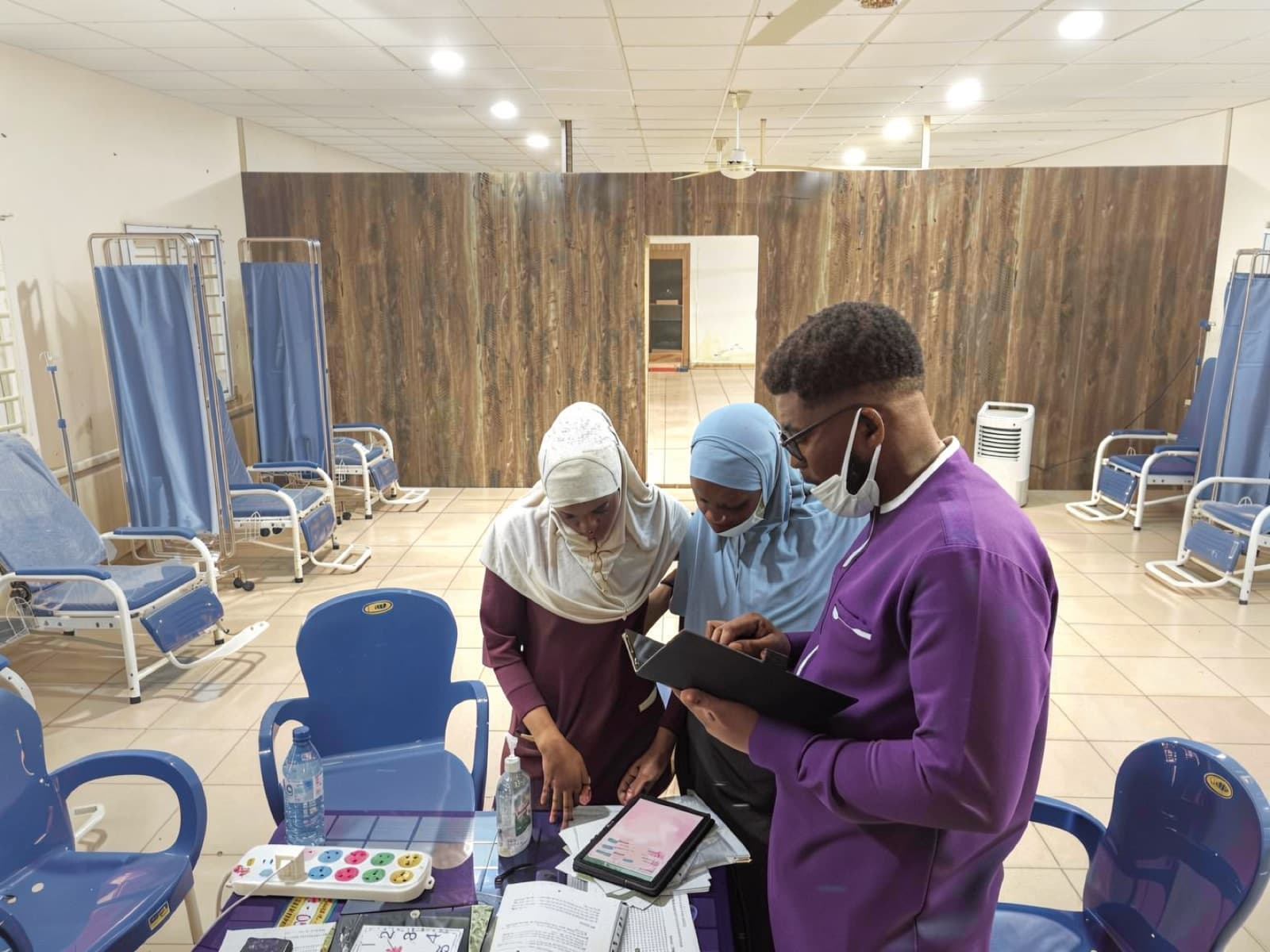
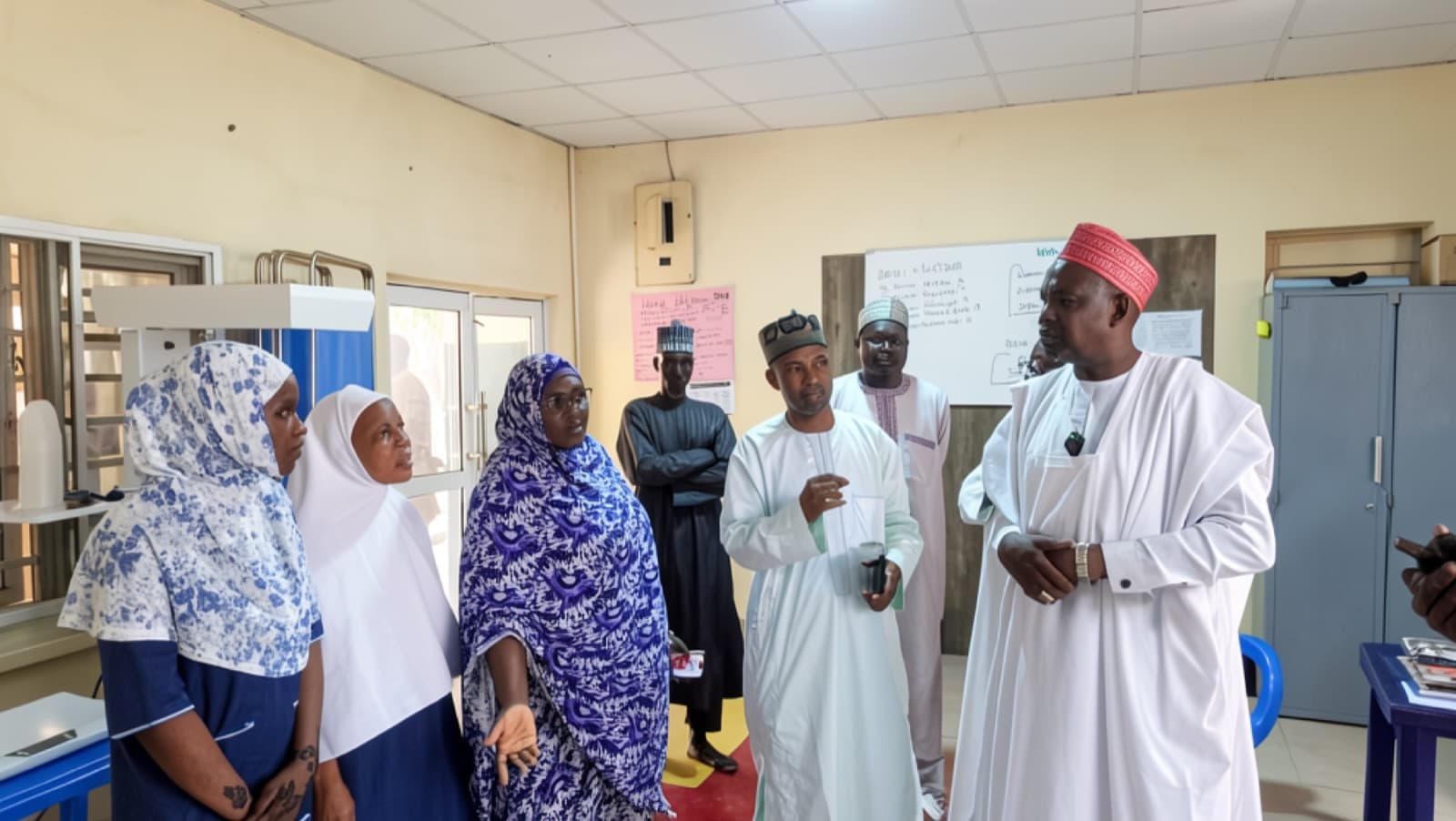
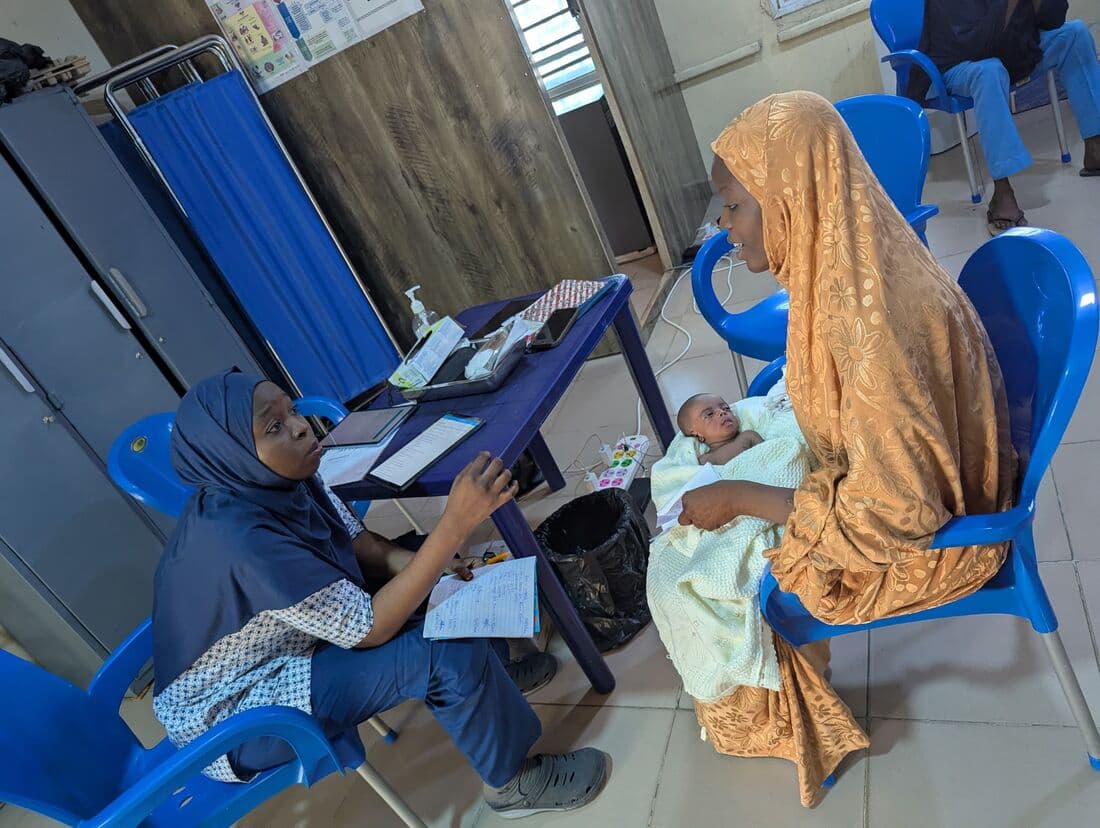
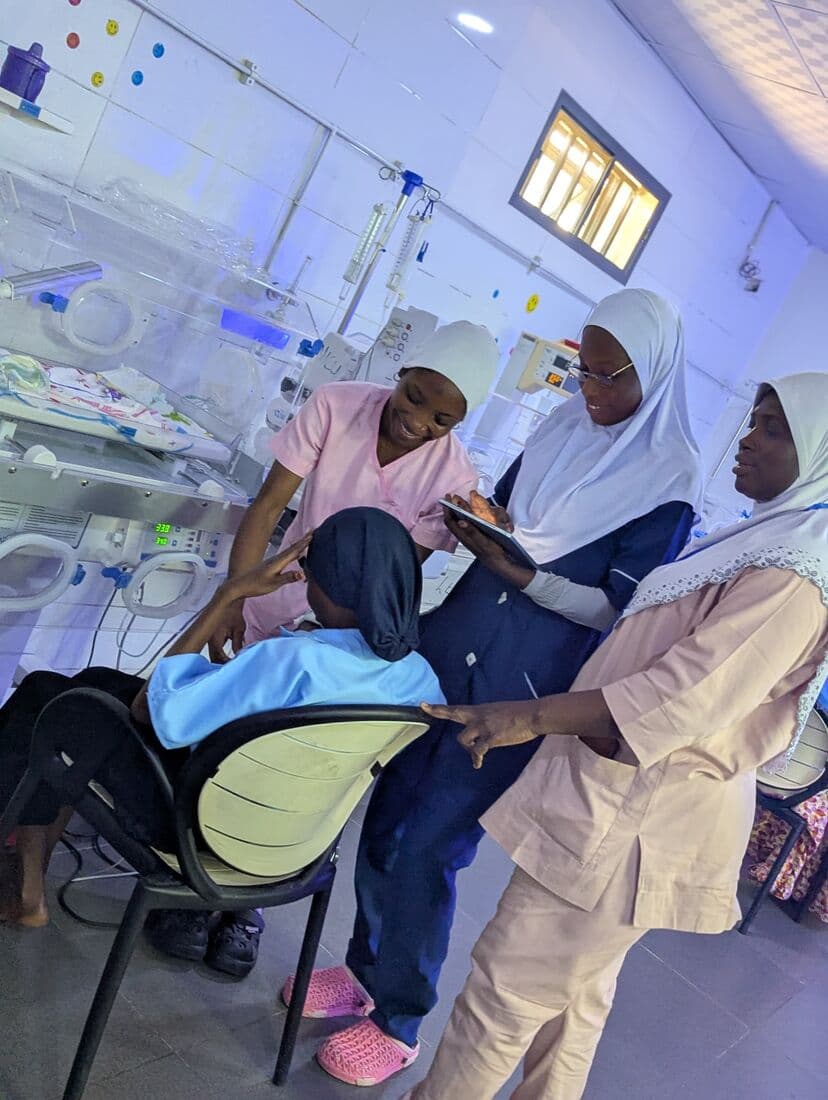
We establish a hospital's baseline mortality, assess what the ward is missing, and agree the partnership.
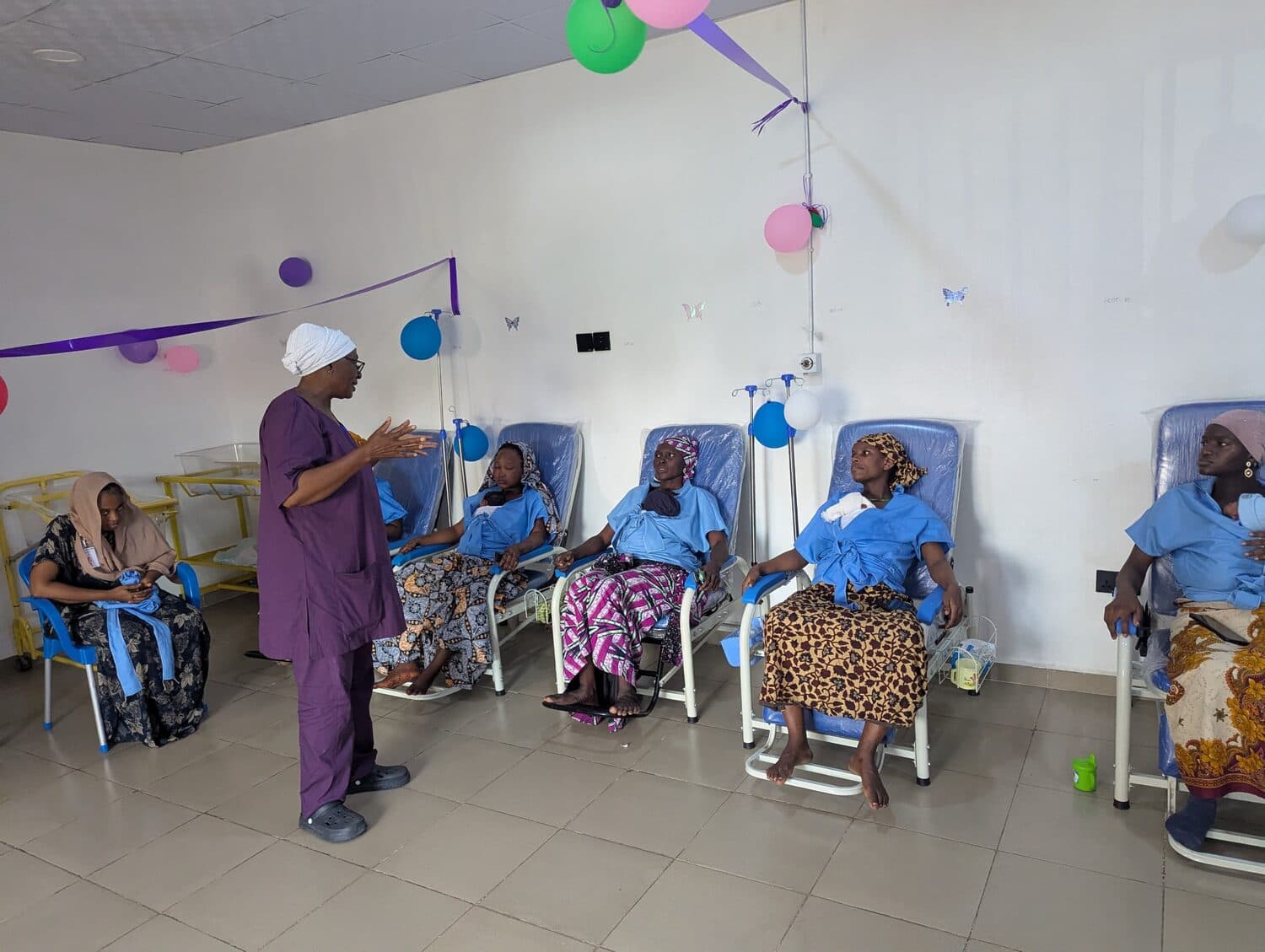
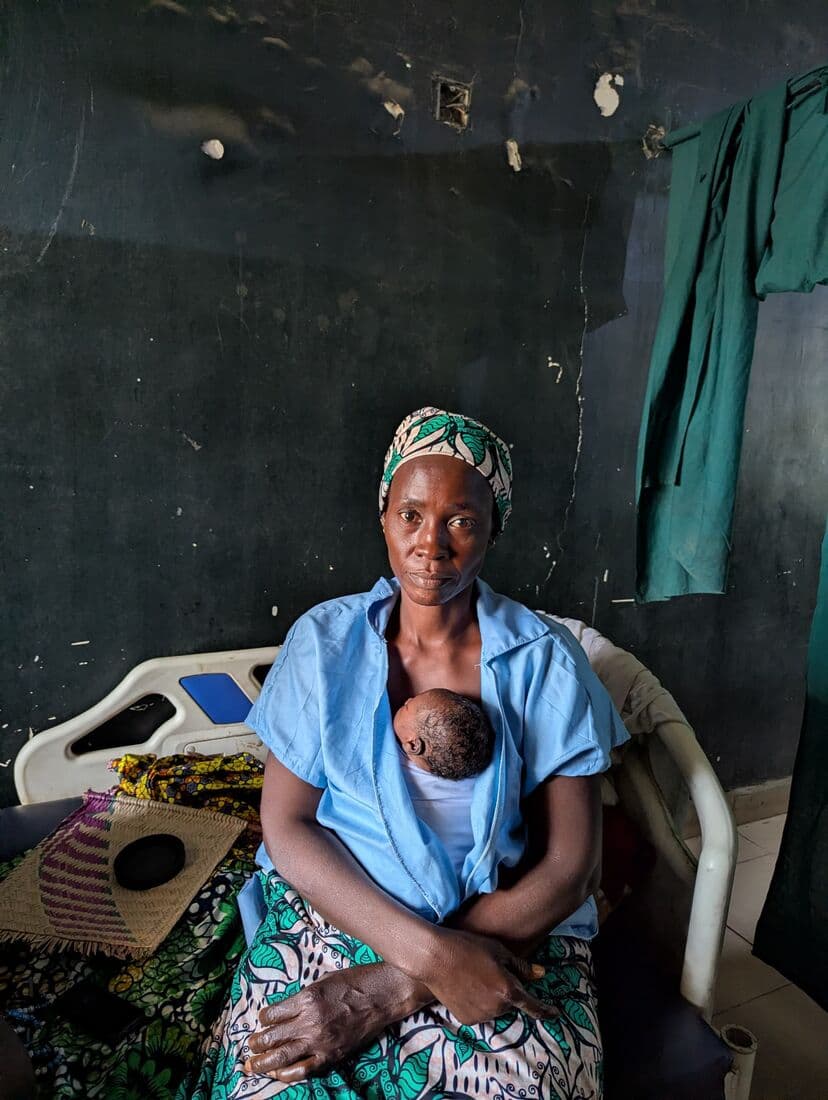
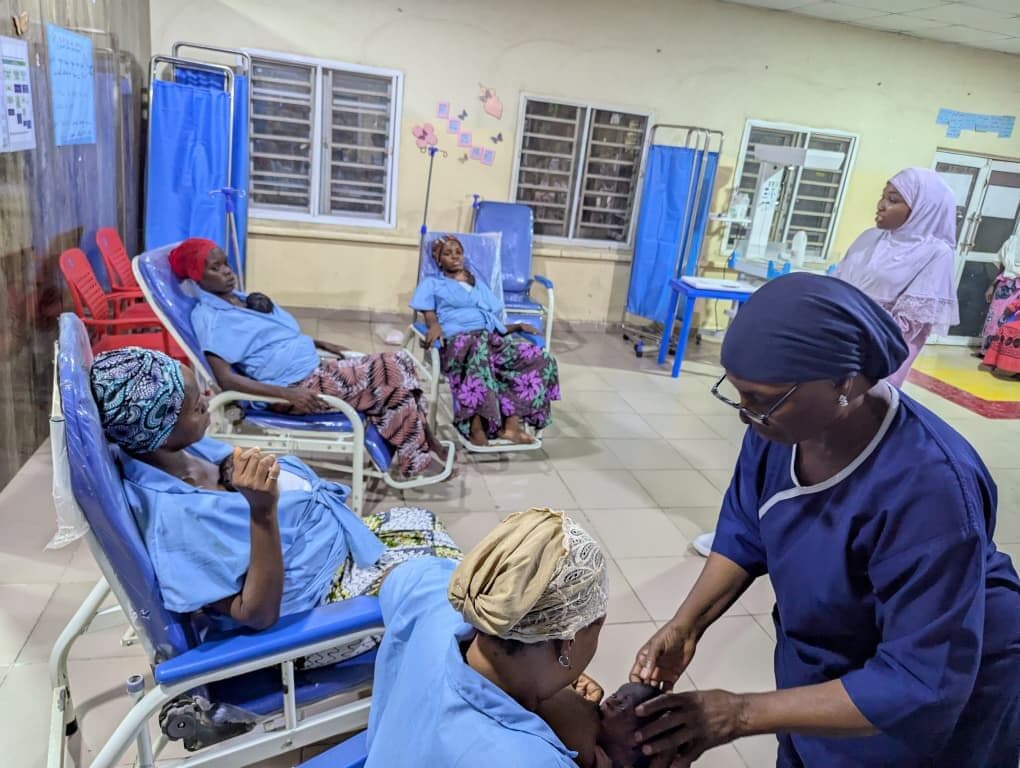
We work to help the hospital provide WHO‑standard Kangaroo Care, log every session, and iterate on what the data shows.
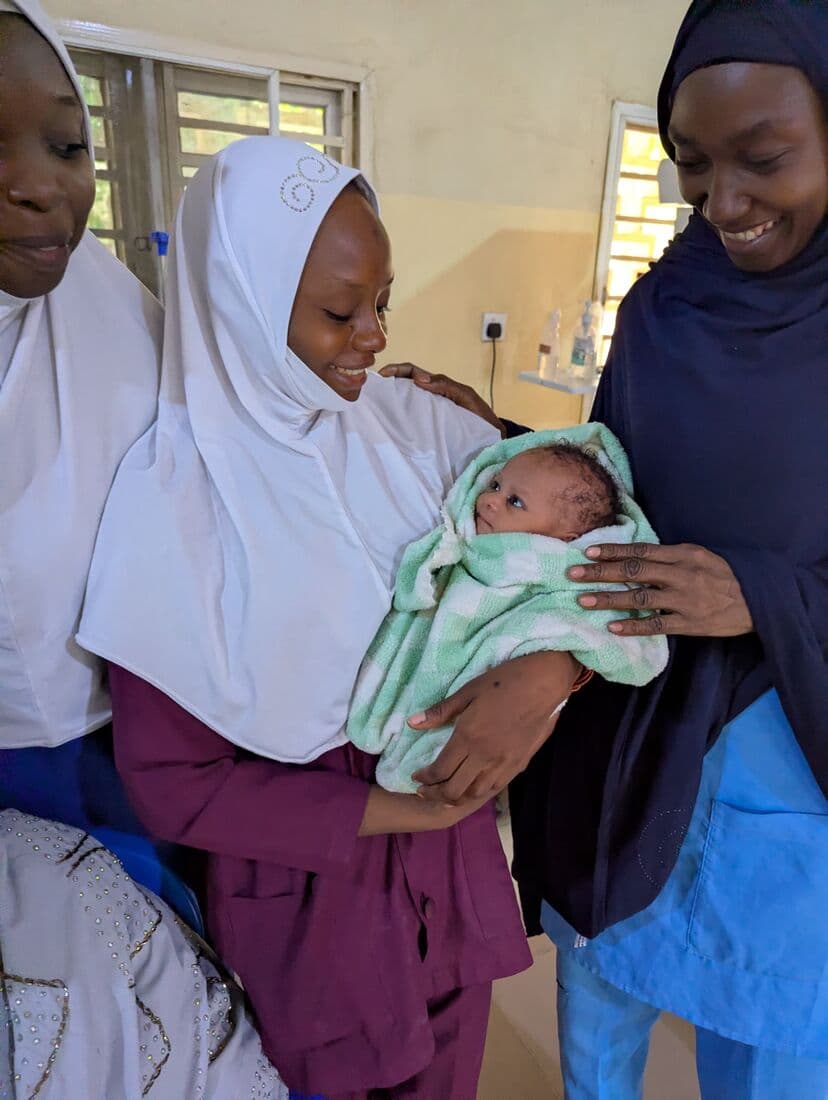
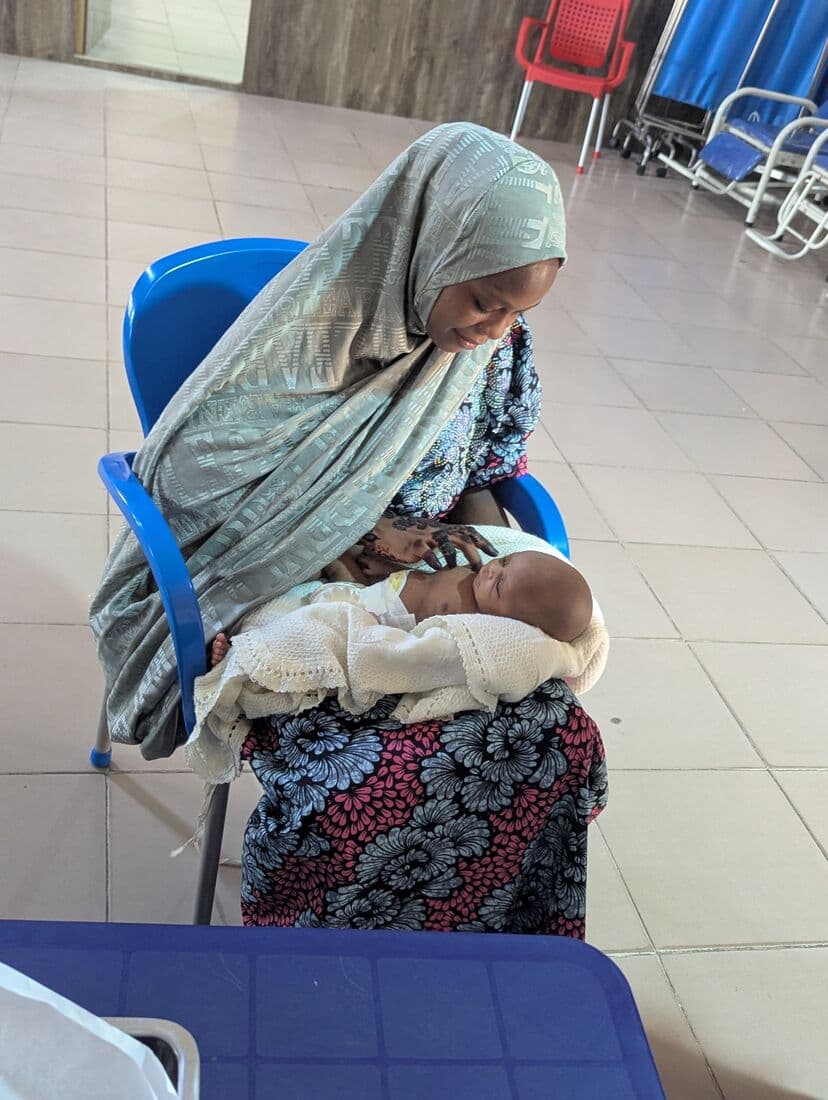
We work with government to make this the standard of care the health system delivers.
Supported by


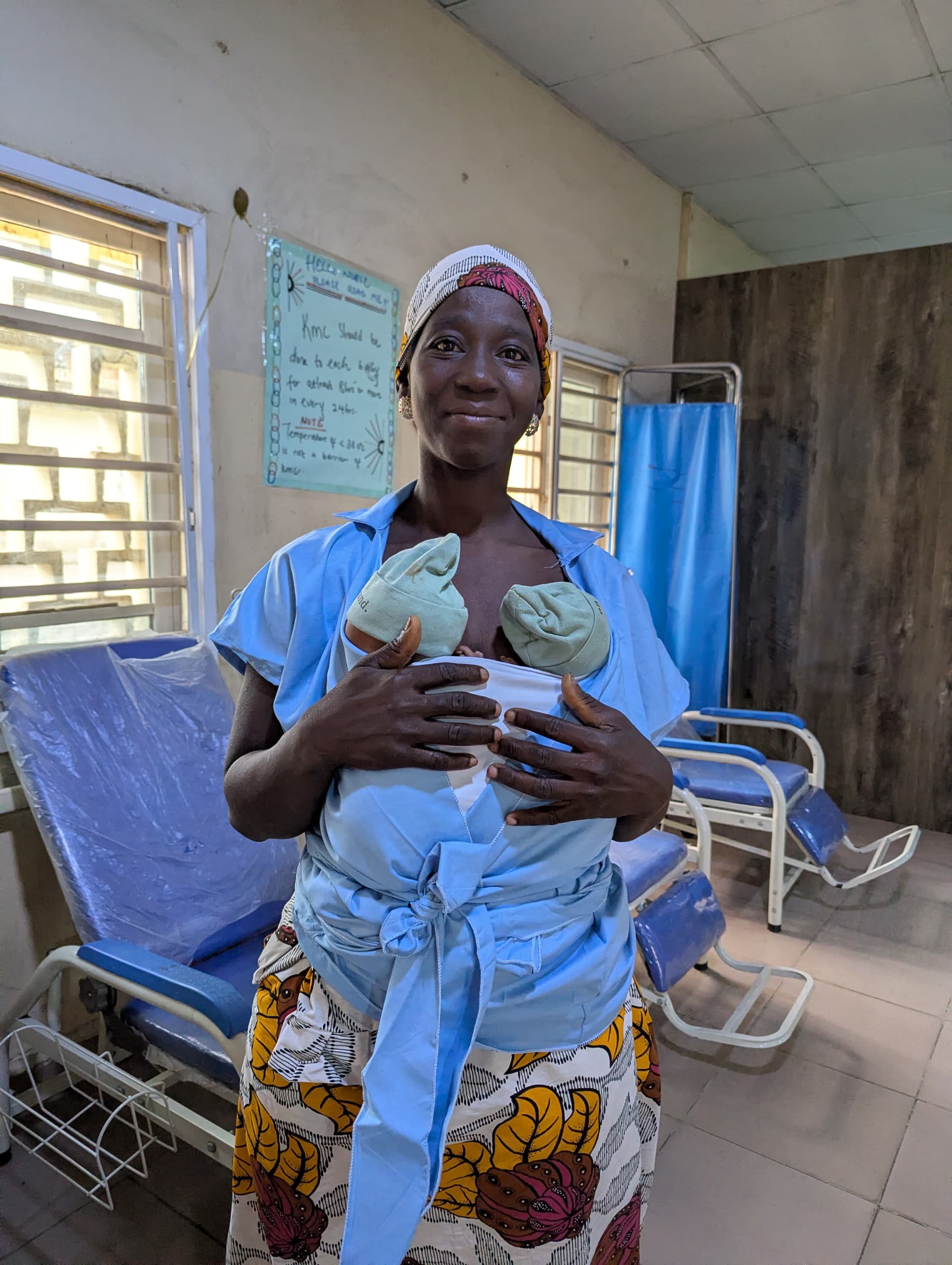
$120 gives a vulnerable newborn Kangaroo Care from birth to home.
We estimate our own programs can save a newborn life for around $3,000, below the $3,500 GiveWell estimates for Kangaroo Care programs. Donations in particular countries are tax deductible: contact us for information.
- $25
- Kangaroo Care for a vulnerable newborn on the day when they are at the greatest risk.
- $120
- Kangaroo Care from birth to home for one newborn.
- $1,000
- A whole ward cared for from birth to home.
- $3,000
- A newborn life saved.
Donating is as quick as reading this.
Look after a hospital
$60,000 runs a public hospital’s program for a year, reaching up to 1,000 vulnerable newborns.
Sponsors receive regular updates and a detailed annual report.
Sponsor a hospital