
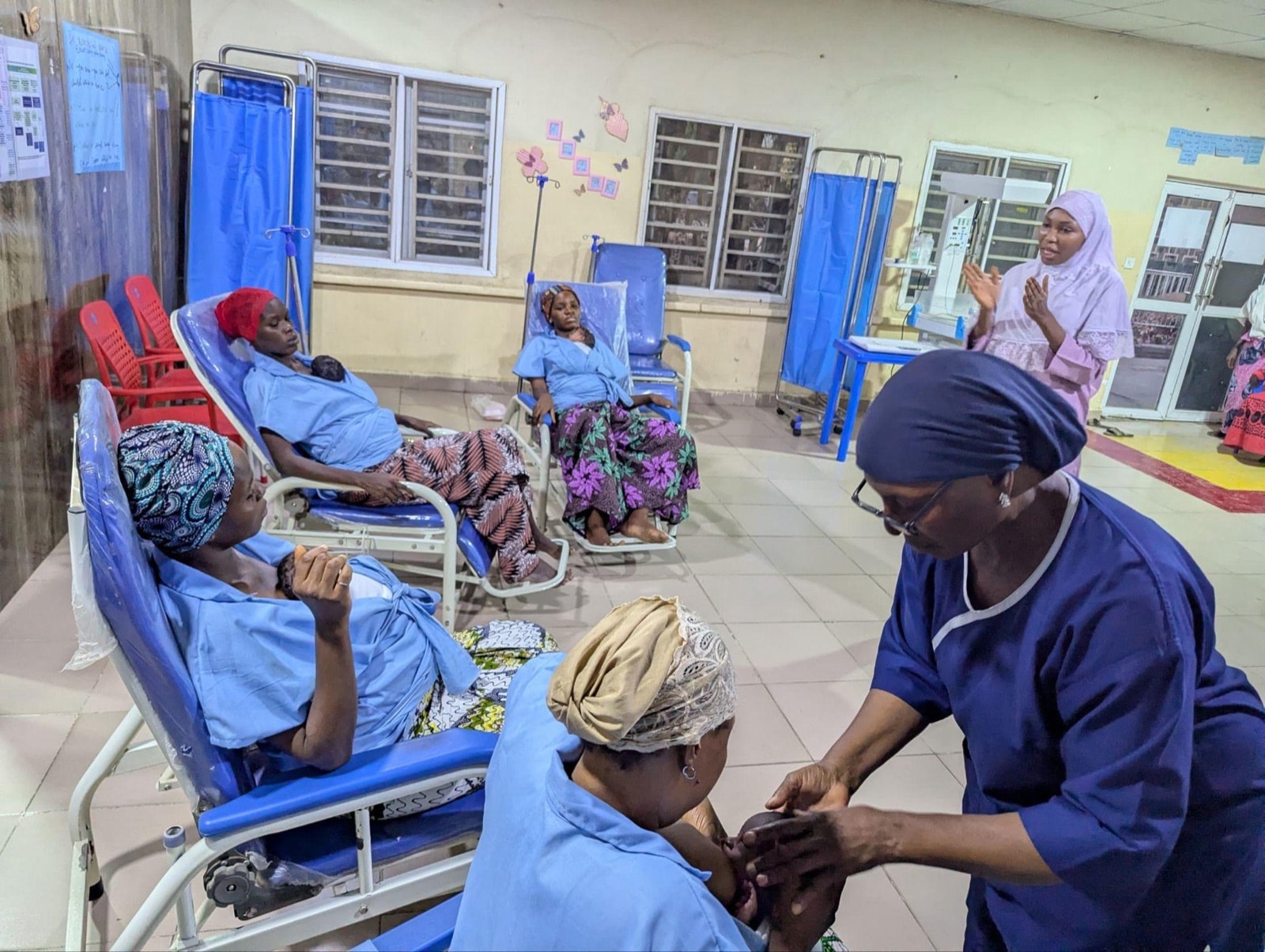
What we do
Kangaroo Care is proven to save lives.The problem is delivery.
We exist to close that gap.
Three barriers keep Kangaroo Care from newborns who need it
Kangaroo Care has been Nigerian national policy since 2017. Implementation literature reviewed by GiveWell reveals three recurring barriers limiting Kangaroo Care’s reach.
of Nigerian hospitals surveyed by Save the Children (2016) offered Kangaroo Care.
Affordable resources aren’t there.
Most hospitals don’t have the resources to reliably deliver Kangaroo Care.
indicators of Kangaroo Care coverage among vulnerable newborns.
Nobody is measuring what’s happening.
Without coverage data, funding and implementation remain limited.
Estimated Kangaroo Care coverage in Africa.
The policy has no practical plan.
Hospitals don’t receive state financing and supervision for Kangaroo Care.
We deliver lifesaving care, then work to enable the system to.
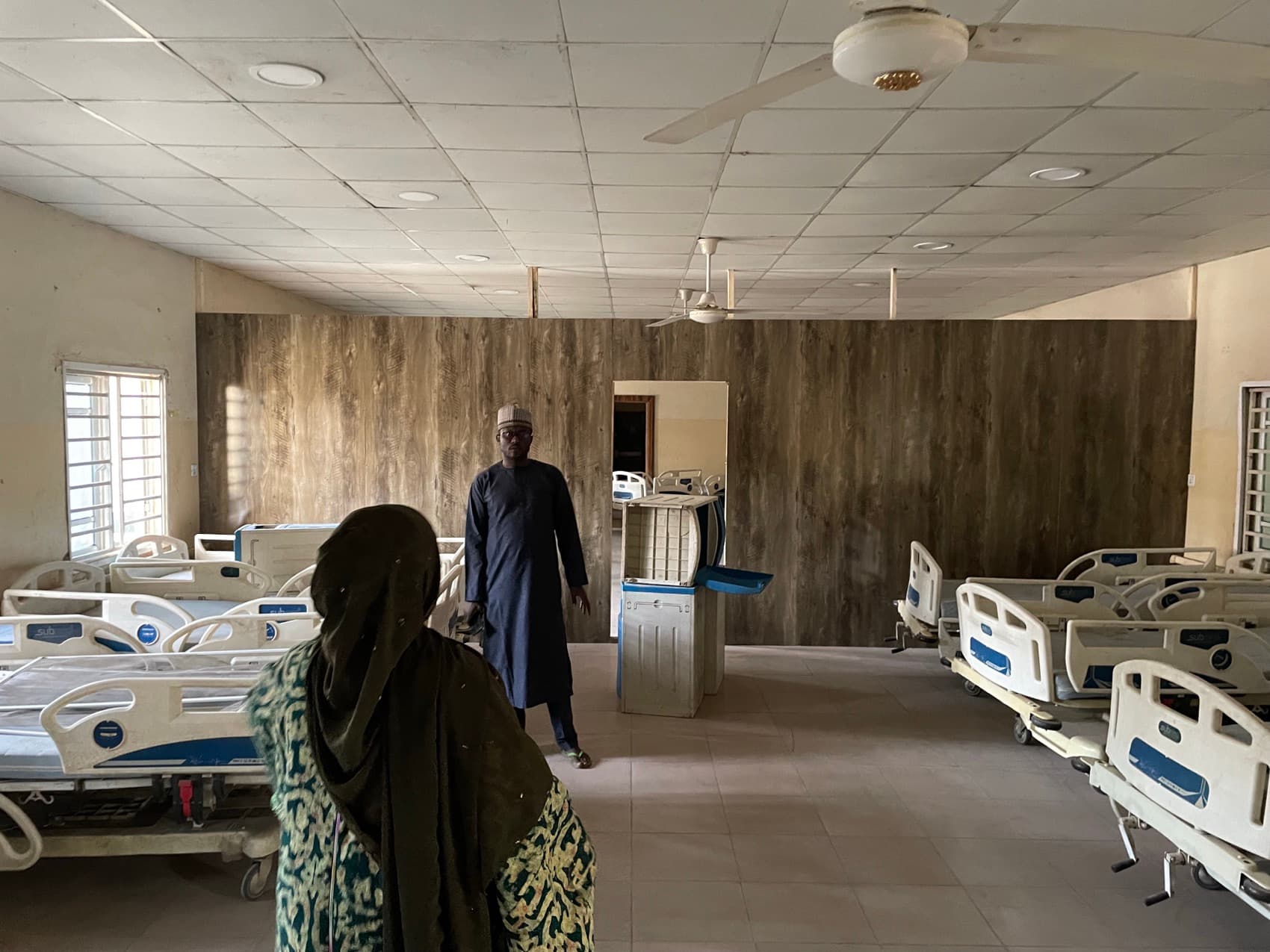
We equip wards with only what they are missing to deliver Kangaroo Care reliably.
Capacity built to WHO standards, designed for a Nigerian hospital.
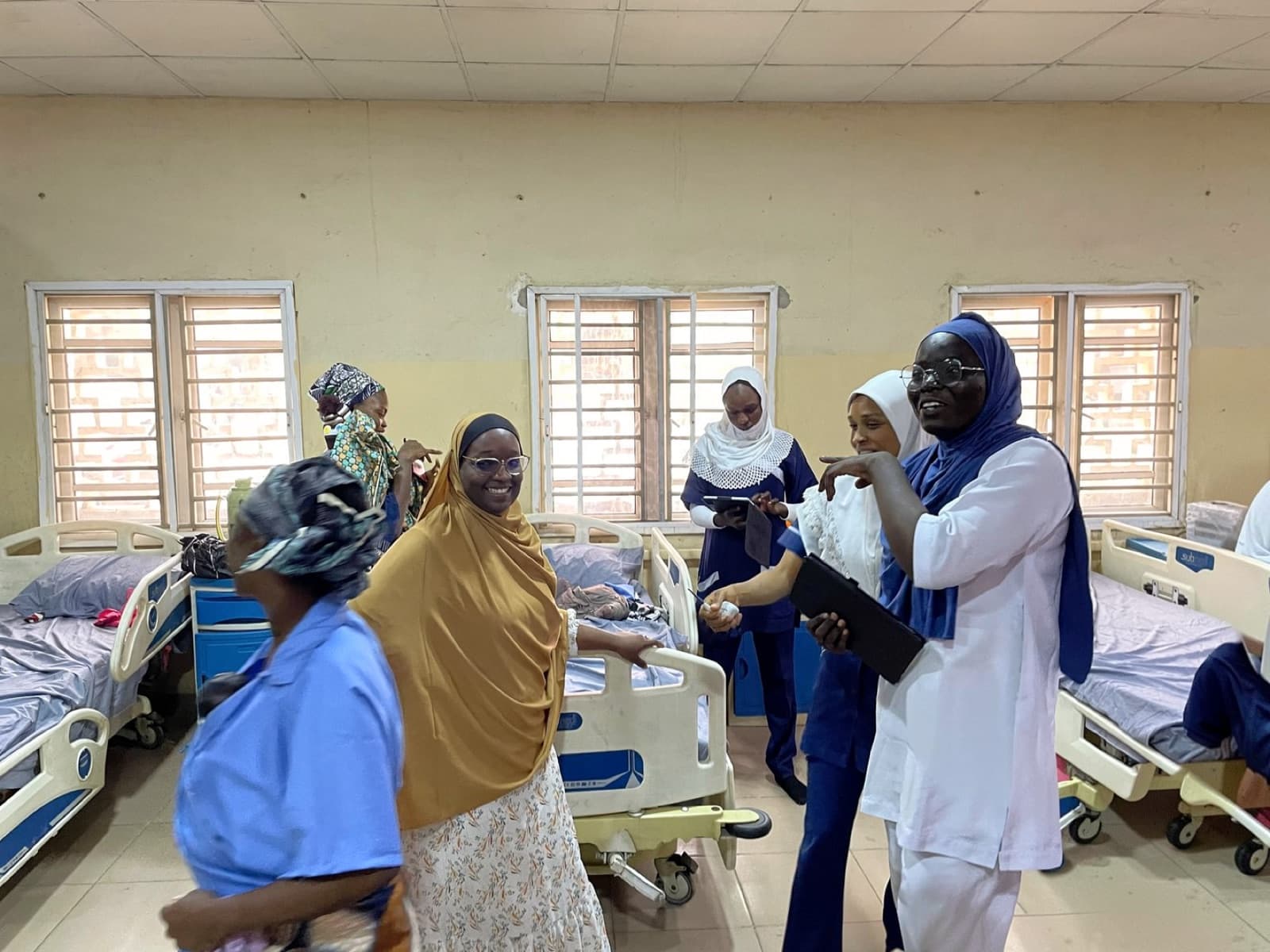
We deploy trained nursing teams.
Full-time Kangaroo Care nurses and an on-site M&E coordinator, coaching continuously.
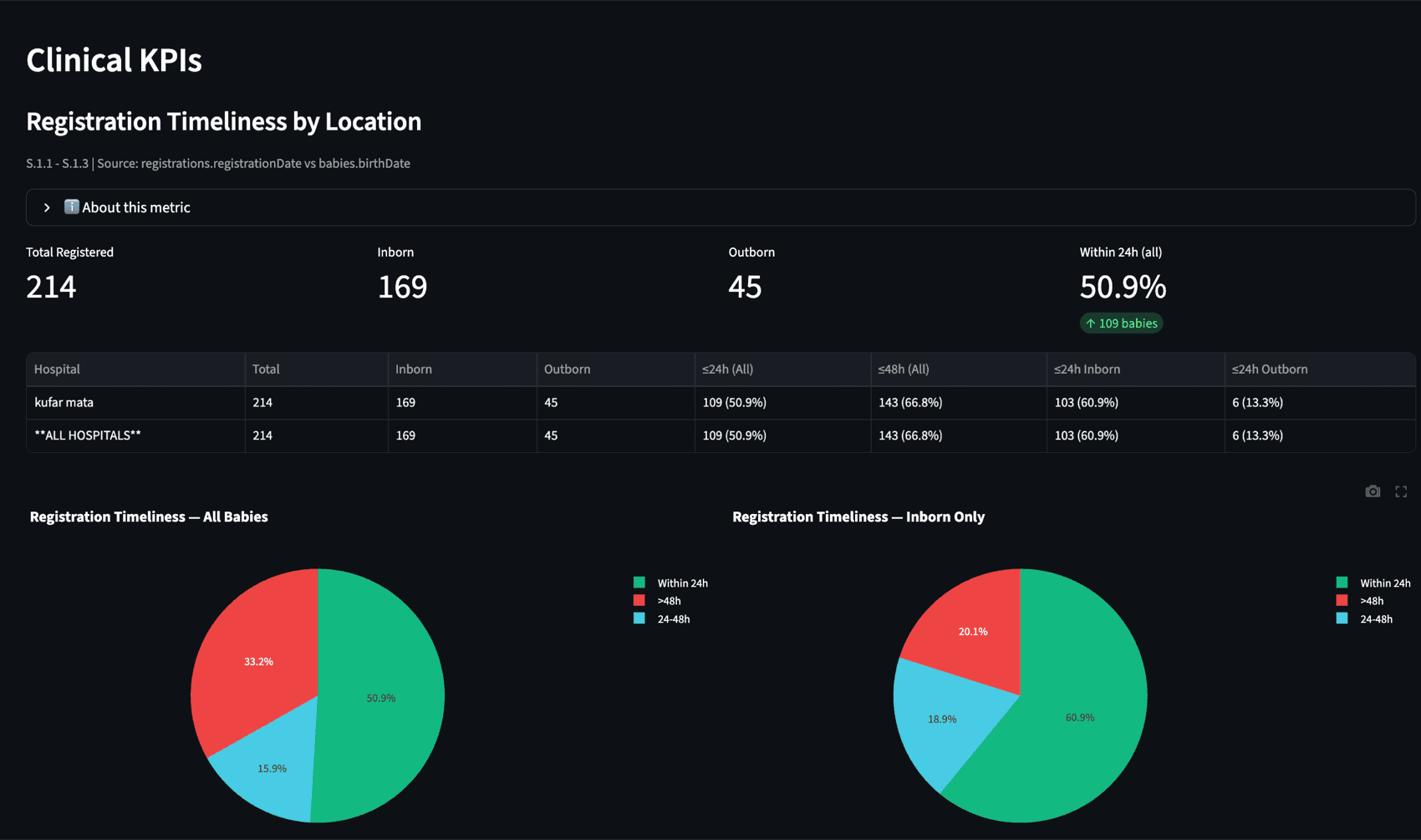
We run real-time monitoring & improvement cycles.
A digital M&E system designed initially by Ansh logs every Kangaroo Care session. Weekly dashboards let us refine delivery with the program team.
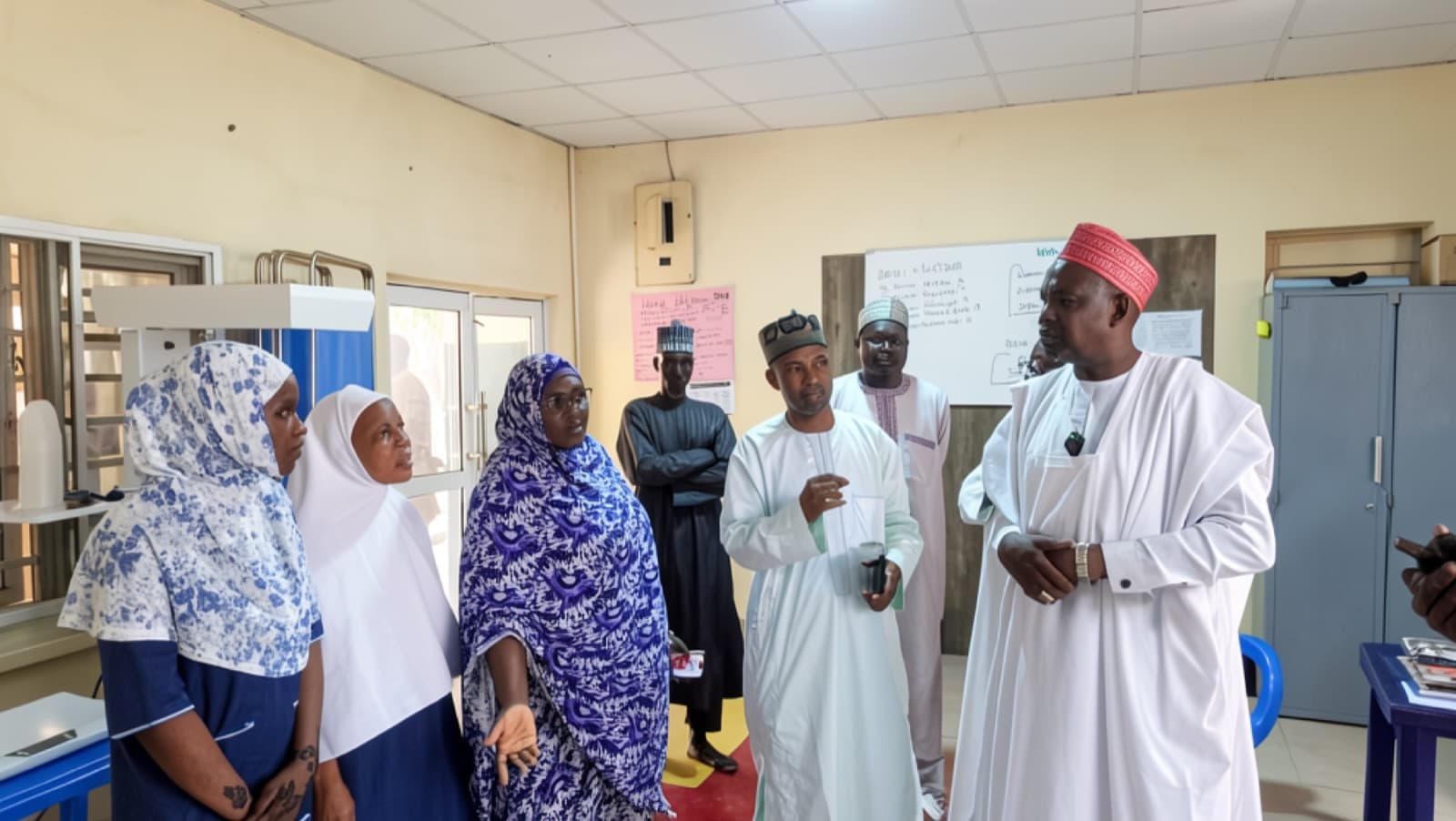
We embed Kangaroo Care so it is delivered sustainably.
We leverage evidence and existing policy to support the government in eliminating barriers to delivering this at scale.
How we measure
Every figure on this site, and how it is made
We publish what the ward records, not what we would like it to say.
Where the numbers come from
Nurses log every Kangaroo Care session as it happens, and this site queries that database directly.
How we compare
Against a baseline taken at the same hospital before we started, and against national estimates from UNICEF and NDHS data — a national average alone would flatter us.
What we do not claim
A baseline comparison is not a trial. We report what happened in our wards, not proof that Kangaroo Care caused it.
Theory of change
How we turn inputs into impact
Human resources: trained nurses and a program team
Physical resources: Kangaroo Care wraps and chairs
Partnerships for buy-in from hospital management and government
More newborns referred to wards with capacity for Kangaroo Care
More caregivers deliver Kangaroo Care
More newborns receive Kangaroo Care
Kangaroo Care institutionalised as standard of care within the health system
Increased newborn weight gain
Reduced neonatal sepsis and hypothermia
Reduced hospital readmissions
Improved survival and health of vulnerable newborns